

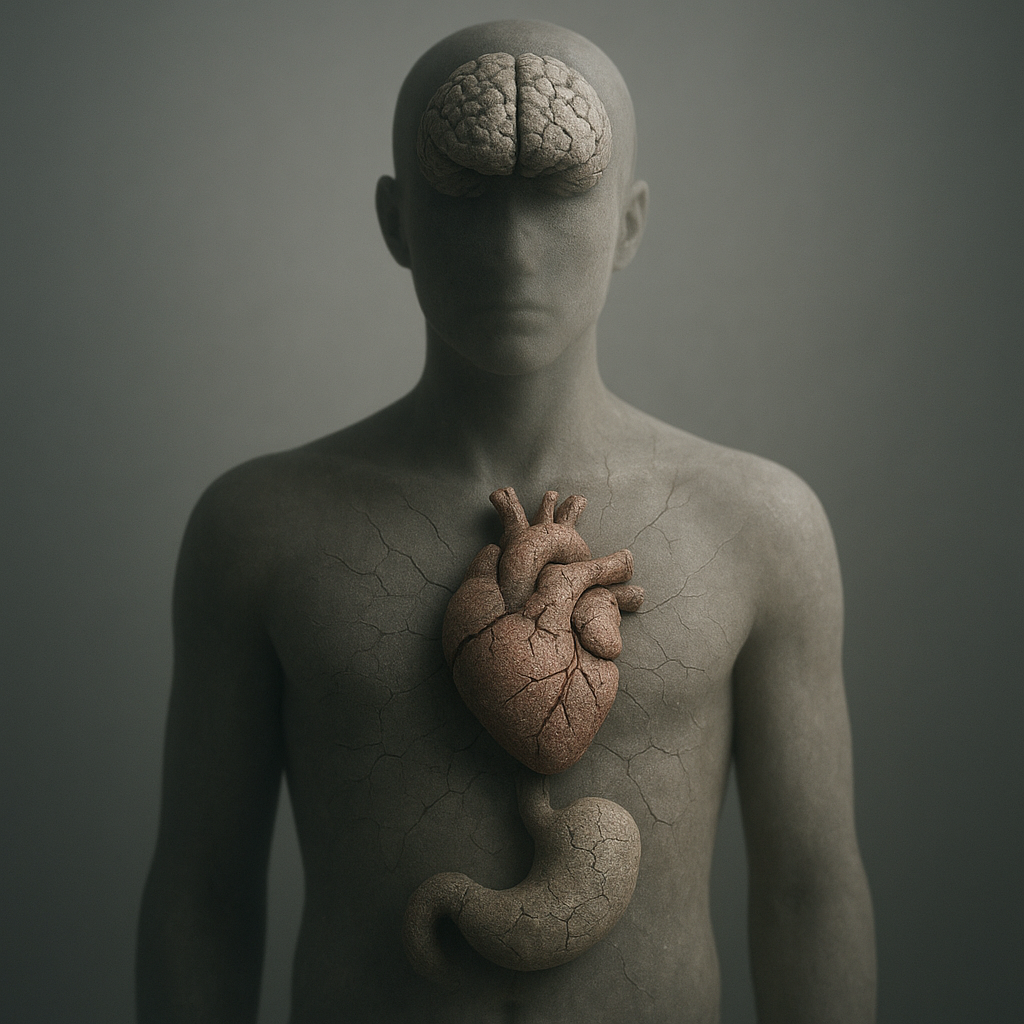
Stress is often described as a feeling of being overwhelmed or under pressure, but its impact goes far beyond momentary tension. While short-term stress can be a helpful biological response, chronic stress—the kind that lingers for months or years—acts like a slow, silent erosion on your physical health. It doesn’t just make you feel tired or anxious; it systematically breaks down your body’s defenses, reshapes your brain chemistry, and accelerates cellular aging.
The statistics are sobering. According to the American Psychological Association, approximately 77% of people regularly experience physical symptoms caused by stress, while 73% report psychological symptoms. Chronic stress has been linked to the six leading causes of death in the United States: heart disease, cancer, lung ailments, accidents, cirrhosis of the liver, and suicide. Yet despite its prevalence, many people remain unaware of just how deeply stress penetrates their physiological systems.
Understanding how chronic stress breaks down your body isn’t about creating more anxiety—it’s about recognizing the warning signs early and implementing protective strategies before minor wear and tear becomes permanent damage.
The Biology of Burnout: How the Stress Response System Works
To understand how stress harms the body, you first need to understand the mechanism designed to protect you. When you encounter a perceived threat—whether it’s a looming deadline or a physical danger—your hypothalamus triggers an alarm system in your body. This prompts your adrenal glands to release a surge of hormones, including adrenaline and cortisol.
Adrenaline increases your heart rate, elevates your blood pressure, and boosts energy supplies. Cortisol, the primary stress hormone, increases sugars in the bloodstream, enhances your brain’s use of glucose, and increases the availability of substances that repair tissues. Meanwhile, it suppresses non-essential functions like digestion, reproduction, and growth—systems that aren’t immediately crucial when you’re fighting for survival.
This “fight-or-flight” response is brilliant for short-term threats. The problem arises when the stressor doesn’t go away. When you’re constantly worried about finances, dealing with a difficult boss, or managing a chronic illness, your body remains in a state of high alert. The result is a continuous flood of stress hormones that eventually dysregulates nearly every system in your body.
What does chronic stress do to your body?
Chronic stress essentially leaves the “on” switch stuck. Over time, elevated cortisol levels can lead to inflammation, high blood pressure, disrupted sleep, and impaired cognitive function. The body begins to prioritize survival over maintenance, leading to a state of physiological exhaustion where normal repair processes are compromised.
Cardiovascular System: The Wear and Tear on Your Heart
Your heart and blood vessels bear the brunt of chronic stress. When stress hormones course through your body, they increase your heart rate and constrict your blood vessels, redirecting more oxygen to your muscles. While this is helpful if you’re running from danger, it’s destructive when your stress is psychological and prolonged.
Research published in The Lancet found that chronic stress is as significant a risk factor for heart disease as smoking, obesity, and high cholesterol. Constant elevations in blood pressure can damage artery walls, leading to atherosclerosis—the buildup of plaques that can cause heart attacks and strokes. Moreover, stress increases blood cholesterol levels and promotes inflammation, both of which contribute to cardiovascular disease.
There’s also the phenomenon of “broken heart syndrome,” or stress cardiomyopathy, where severe emotional or physical stress causes a sudden weakening of the heart muscle. While often temporary, it demonstrates the immediate, powerful impact stress can have on cardiac function.
Can stress cause heart problems?
Yes, absolutely. Beyond the direct hormonal impacts, stress often leads to coping behaviors that further damage cardiovascular health, such as overeating, smoking, or excessive alcohol consumption. The combination creates a perfect storm for cardiac events.
Immune System Suppression: Why You Keep Getting Sick
Have you ever noticed that you catch a cold right after a major project deadline or during a particularly stressful period? That’s not coincidence—it’s biology. Cortisol is designed to suppress inflammation in the short term, which is useful if you’re injured. However, when cortisol levels remain elevated, your immune system becomes desensitized to its anti-inflammatory effects, leading to chronic, low-grade inflammation throughout the body.
Simultaneously, chronic stress reduces the number of lymphocytes (white blood cells) available to fight infection. This dual assault—reduced immune function plus increased inflammation—leaves you vulnerable to infections, slows wound healing, and may even accelerate the growth of tumors according to some research.
Studies have shown that caregivers of chronically ill family members, a population under extreme long-term stress, have suppressed immune responses and slower wound healing compared to control groups. The immune system essentially becomes too exhausted to mount an effective defense.

Digestive System Disruption: Gut Feelings Are Real
The gut is often called the “second brain” due to the enteric nervous system, which contains hundreds of millions of neurons communicating with your central nervous system. When stress hits, your body diverts blood away from the digestive system toward your muscles, slowing down or halting digestion entirely.
Chronic stress can lead to a host of gastrointestinal issues:
- Irritable Bowel Syndrome (IBS): Stress doesn’t cause IBS, but it exacerbates symptoms significantly, altering gut motility and increasing pain sensitivity.
- Acid Reflux and Heartburn: Stress increases stomach acid production and can weaken the esophageal sphincter.
- Gut Microbiome Changes: Research suggests chronic stress alters the composition of gut bacteria, potentially leading to “leaky gut” syndrome and systemic inflammation.
- Ulcers: While bacteria cause most ulcers, stress can worsen symptoms and delay healing by suppressing the immune system.
Furthermore, stress changes how you eat—some people lose their appetite entirely, while others crave high-fat, high-sugar “comfort foods” that further inflame the digestive system.
Musculoskeletal System: Tension That Won’t Release
Your muscles tense up in preparation for action when you’re stressed. This reflex is meant to guard against injury and pain. With chronic stress, however, your muscles remain in a state of guardedness, leading to tension-type headaches, migraines, and musculoskeletal pain—particularly in the shoulders, neck, and back.
Chronic muscle tension doesn’t just cause discomfort; it can lead to reduced mobility, postural changes, and increased risk of injury. Many people unconsciously clench their jaw (bruxism) or grind their teeth at night, leading to TMJ disorders and dental problems. The physical manifestation of stress becomes a chronic pain condition that persists even when the original stressor is removed.
Can stress cause physical pain?
Yes. Stress-induced muscle tension is a primary cause of tension headaches and chronic back pain. Additionally, stress lowers your pain threshold by increasing inflammation and altering pain processing in the brain, making existing aches feel more intense.
Brain and Nervous System: Rewiring for Anxiety
Chronic stress literally reshapes your brain. The amygdala—the brain’s fear center—becomes more active and larger with prolonged stress exposure, making you more reactive to perceived threats. Meanwhile, the prefrontal cortex, responsible for concentration, decision-making, and impulse control, actually shrinks in volume.
The hippocampus, crucial for learning and memory, also suffers. High cortisol levels can kill hippocampal cells and even reduce the production of new brain cells (neurogenesis). This is why chronic stress is associated with memory problems, difficulty concentrating, and an increased risk of dementia in later life.
Sleep is another casualty. Stress disrupts the natural sleep-wake cycle, making it difficult to fall asleep or stay asleep. Since sleep is when the brain clears out metabolic waste and consolidates memories, this disruption creates a vicious cycle where stress impairs sleep, and poor sleep reduces stress resilience.
Reproductive and Endocrine Systems: Hormonal Chaos
Chronic stress wreaks havoc on reproductive health for all genders. In women, stress can lead to irregular or absent menstrual cycles, more severe PMS symptoms, and reduced fertility. Cortisol interferes with the normal production of estrogen and progesterone, essential for reproductive function.
In men, chronic stress lowers testosterone levels, reducing libido and potentially affecting sperm production. Erectile dysfunction is also commonly stress-related, creating anxiety that further exacerbates the problem.
The endocrine system, which regulates hormones throughout the body, becomes dysregulated under constant stress. This can lead to metabolic syndrome—a cluster of conditions including increased blood pressure, high blood sugar, excess body fat around the waist, and abnormal cholesterol levels—significantly raising the risk of diabetes and heart disease.
Accelerated Aging: Telomeres and Cellular Breakdown
Perhaps the most insidious effect of chronic stress is its impact on cellular aging. Telomeres are protective caps at the end of chromosomes that shorten as we age. Each time a cell divides, telomeres get shorter until they can no longer protect the chromosome, leading to cellular aging and death.
Groundbreaking research by Nobel laureate Elizabeth Blackburn and health psychologist Elissa Epel found that chronic stress accelerates telomere shortening. In their studies, mothers caring for chronically ill children showed significantly shorter telomeres than control groups—equivalent to a decade of additional aging. This suggests that chronic stress doesn’t just make you feel older; it actually accelerates the biological aging process at the DNA level.
Warning Signs: How to Recognize Chronic Stress Damage
Because the damage accumulates slowly, many people don’t realize how stressed they are until they develop serious health issues. Warning signs that stress is breaking down your body include:
- Frequent infections or slow-healing wounds
- Persistent digestive issues (bloating, diarrhea, constipation)
- Unexplained aches and pains, particularly headaches and back pain
- Insomnia or sleeping too much
- Changes in appetite or weight (gain or loss)
- Difficulty concentrating or “brain fog”
- Decreased libido or sexual dysfunction
- Feeling overwhelmed or constantly “on edge”
- Skin conditions like acne, psoriasis, or eczema flare-ups
How long does it take for stress to damage your body?
There’s no exact timeline, as it depends on genetic predisposition, existing health conditions, and coping mechanisms. However, research suggests that significant physiological changes can occur within weeks of chronic stress exposure, while serious conditions like heart disease or diabetes typically develop after months or years of sustained stress.
Interrupting the Erosion: Evidence-Based Protection Strategies
The good news is that the body has remarkable resilience when given the chance to recover. Interrupting chronic stress requires a multi-system approach that addresses both the physiological response and the root causes.
Regular physical activity is perhaps the most effective stress buffer. Exercise metabolizes excess stress hormones, releases endorphins, and promotes neuroplasticity that counteracts stress-related brain changes. Even moderate walking for 30 minutes daily can significantly lower cortisol levels.
Mindfulness and meditation have been shown to reduce cortisol levels, lower blood pressure, and even preserve telomere length. Practices like mindfulness-based stress reduction (MBSR) teach the brain to respond to stressors with less reactivity, preventing the cascade of physiological damage. By living with intention, you can create daily habits that interrupt the stress cycle before it damages your health.
Sleep hygiene is crucial for repair. Prioritizing 7-9 hours of quality sleep allows the glymphatic system to clear stress-related metabolic waste from the brain and restores immune function.
Social connection acts as a powerful buffer. Oxytocin, released during positive social interactions, counteracts cortisol and promotes cardiovascular health. Strong social support networks are associated with lower stress hormone levels and better health outcomes.
Breathing techniques can interrupt the stress response in real-time. Deep diaphragmatic breathing activates the parasympathetic nervous system—the “rest and digest” state—directly counteracting the sympathetic “fight-or-flight” response.
Can your body recover from chronic stress?
Yes, in many cases. While some damage (like telomere shortening) may be permanent, most physiological systems can recover with sustained stress reduction. The brain, in particular, retains neuroplasticity throughout life, allowing for the regeneration of hippocampal neurons and the restoration of prefrontal cortex function when stress is managed effectively.
Conclusion: Breaking the Cycle
Chronic stress is not merely an emotional state or a temporary inconvenience—it is a systemic physiological condition that erodes your health from the inside out. From your cardiovascular system to your cellular DNA, the constant flood of stress hormones creates a cascade of damage that can lead to serious, life-limiting diseases.
However, recognizing the signs of this silent erosion is the first step toward protection. By understanding how stress breaks down your body—the inflammation, the immune suppression, the cardiovascular strain, and the accelerated aging—you can take proactive steps to shield yourself. Whether through movement, mindfulness, social connection, or simply learning to breathe deeply when pressure mounts, you have the biological capacity to interrupt the stress response and begin repair.
Your body is designed to handle acute threats, not endless marathons of pressure. By honoring that biological reality and prioritizing stress management as seriously as nutrition or exercise, you can stop the erosion and restore the resilience that chronic stress has stolen.